Subdivisions: Additional Research Portfolio
Infectious Diseases
Expertise and the utilization of Next Generation Sequencing techniques, bioinformatics, and data analysis in relation to communicable diseases, in terms of diagnostic approaches within the research and development sectors. These sectors include both practices in virology and bacteriology, including studies related to Mycobacterium tuberculosis, inclusive of Mycobacteria other than tuberculosis, influenza, HIV, RSV.
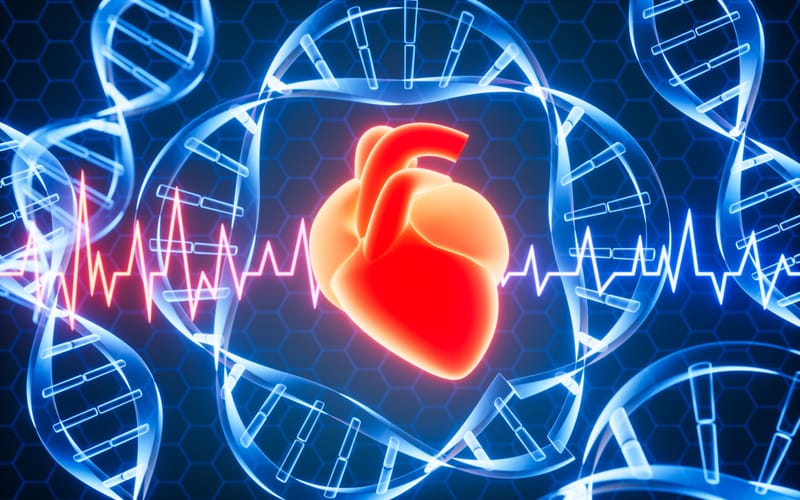
Cardiometabolic Diseases
Encompasses a spectrum of conditions that are significant of the relationship/association between cardiovascular health and metabolic processes. Significance to diabetes, type 2 diabetes, obesity, cardiovascular disease (including hypertension, dyslipidemia, atherosclerosis and heart failure). Through the concept of GWAS (Genome wide association studies, to detect SNPs, single nucleotide polymorphisms), inclusive of genetic predisposition and epigenetic analysis, to ascertain who would ideally benefit from targeted therapies

Autoimmune Diseases
The primary investigation of epigenetics (histone modifications, methylation, phosphorylation, ubiquitination) in various categories, namely celiac disease, Rheumatoid arthritis, type I diabetes, Behcet's syndrome, systemic lupus erythematosus

Rare Diseases
Utilizing various platforms for genomic analysis, most notably Whole Exome Sequencing, Transcriptomics, Targeted sequencing and Chromosomal Microarrays.
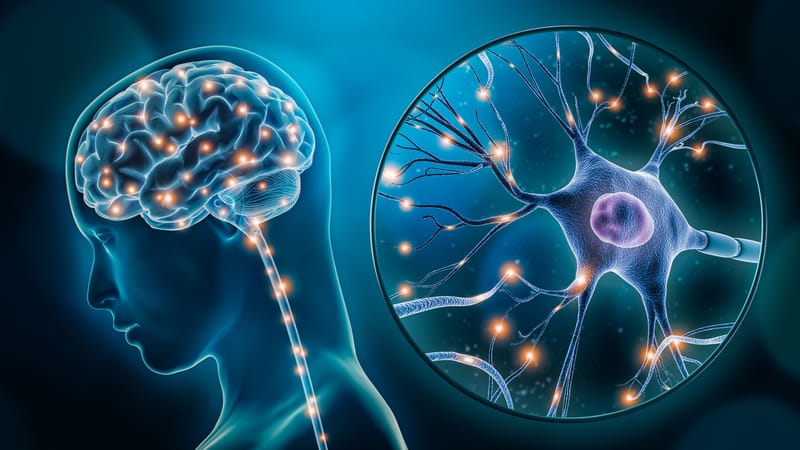
Neurodegenerative Diseases
Neuroepigenomics is translating discoveries into precision medicine, most notably in the following sectors, namely Parkinsons, Huntington's Disease, frontotemporal dementia, chronic traumatic encephalopathy (CTE), Lewy body dementia and limbic predominant age-related TDP-43 encephalopathy (LATE). Additionally, multiple sclerosis (MS) and neuromyelitis optical spectrum disorder (NMOSD), amyotrophic lateral sclerosis (ALS, often known as “Lou Gehrig's disease”) and progressive supranuclear palsy (PSP), inclusive of Creutzfeldt-Jakob disease